Wiltzanghlaan 60, 1061 HC, Amsterdam
Serieuze Zaken Studios / WOW Amsterdam has, for over a decade, been an open and welcoming platform for young, ambitious talent. At the same time, it is certainly no stranger to internationally renowned names such as Laurie Anderson, Philip Glass, Iggy Pop, and Andy Warhol, all of whom have been invited for workshops, concerts, and lectures.
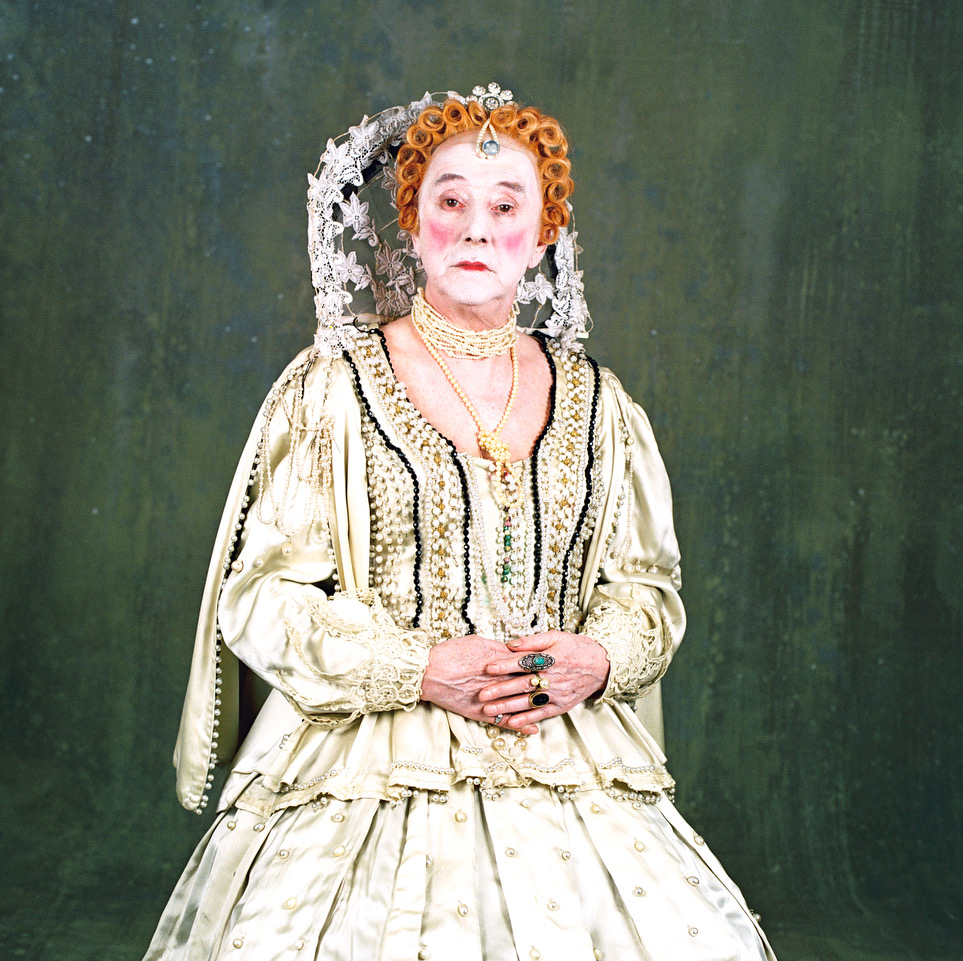
For this edition, special attention is given to the remarkable photographer Martin Parr, known for his unique snapshots of everyday life in England and beyond. In addition, new collaborations have been established with very recent graduates and established international partners. These crossovers are not only distinctive in nature but, above all, exciting and inspiring.
Founder and hotelier Sandra Chedi has developed WOW Amsterdam into more than just another creative hub; it is a unique global meeting place where hospitality is the norm. Rob Malasch has also proven his ability to identify significant talent, which is nurtured at Serieuze Zaken Studios and given the space to further develop and focus on an artistic career—something that has become less self-evident in these uncertain times.
At this edition of KunstRAI 2026, works will be presented by, among others, Martin Parr, Andy Warhol, Robert Cash, Paul Nassenstein, and other emerging talents.
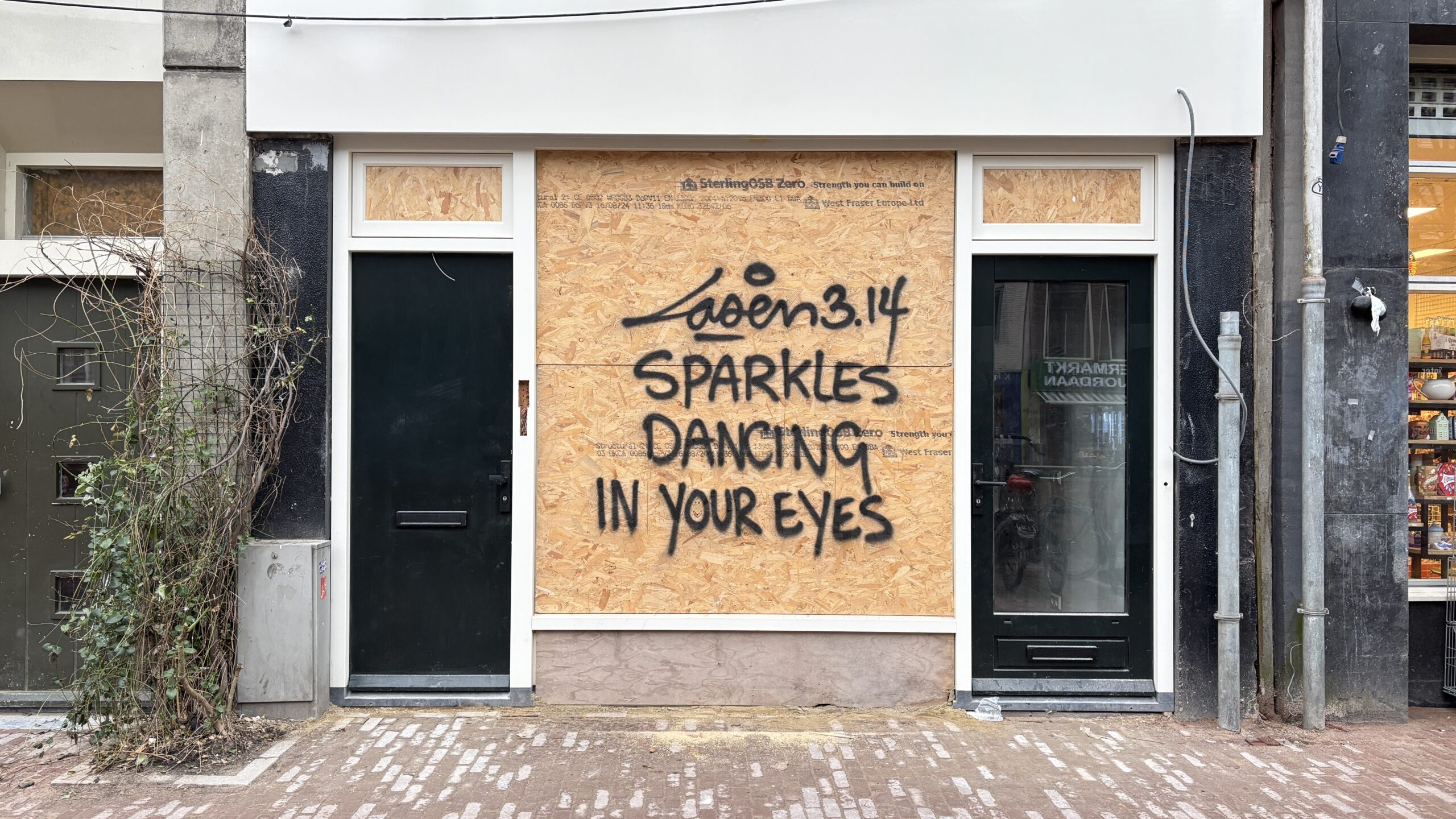
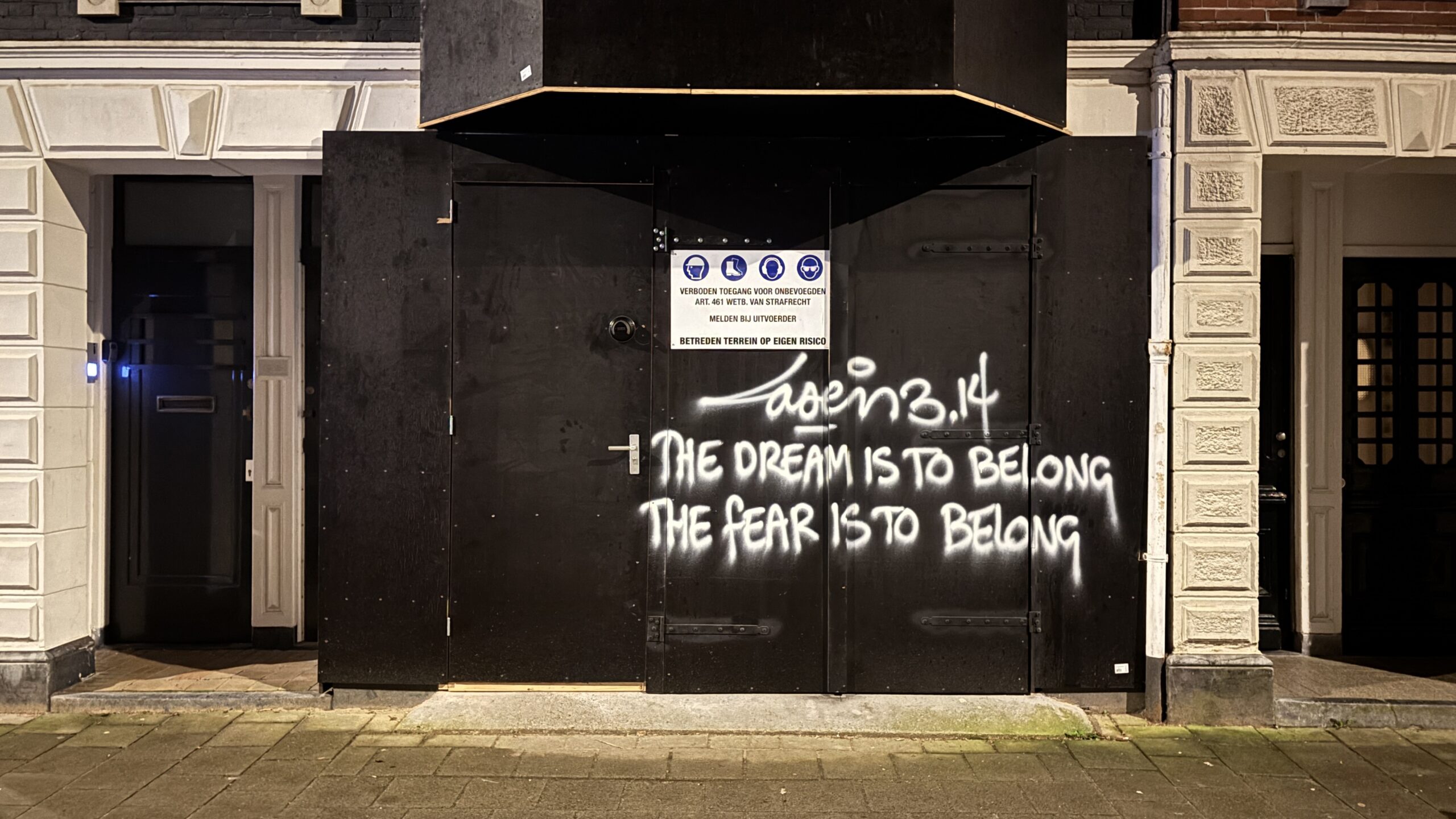
LASER 3.14
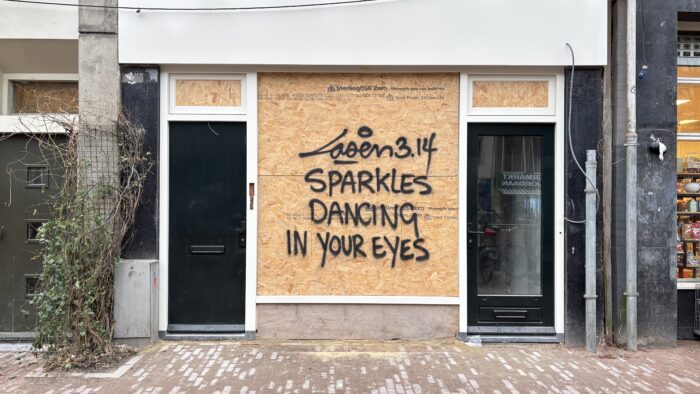
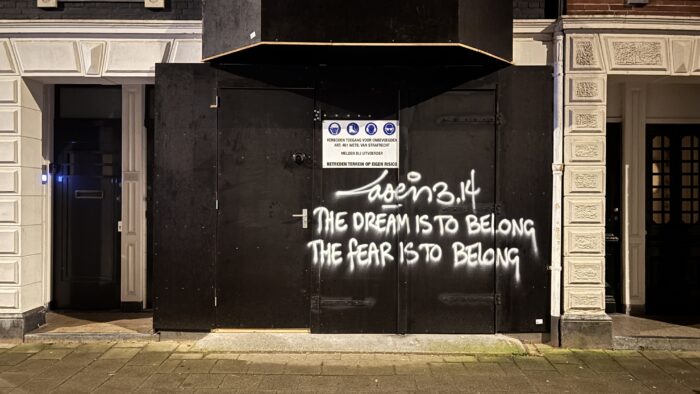
Laser 3.14 has been creating poetry in the streets for over 15 years, and his name is inseparably linked to any discussion about Amsterdam and urban art. As one of the city’s most prolific street artists, he shares his distinctive visual poetry both outdoors along Amsterdam’s canals and in many of the city’s prestigious galleries. Laser 3.14 is internationally acclaimed for his bold statements on politics, popular culture, and everyday life.

FRANK WILLEMS
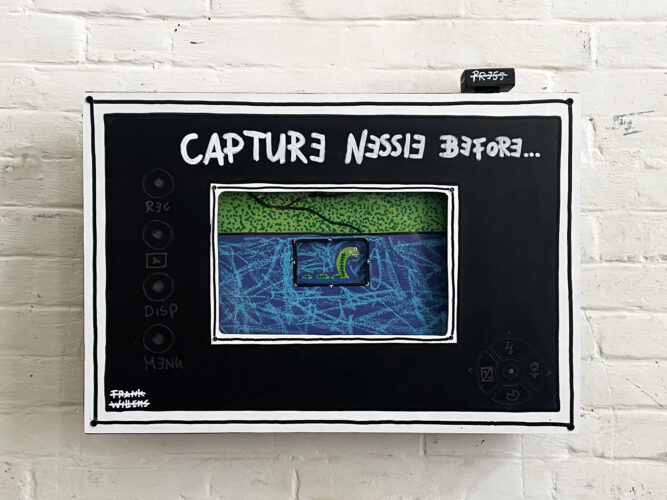
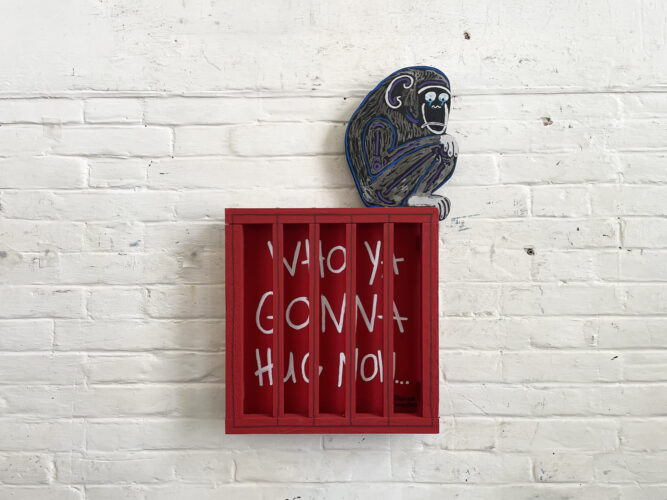
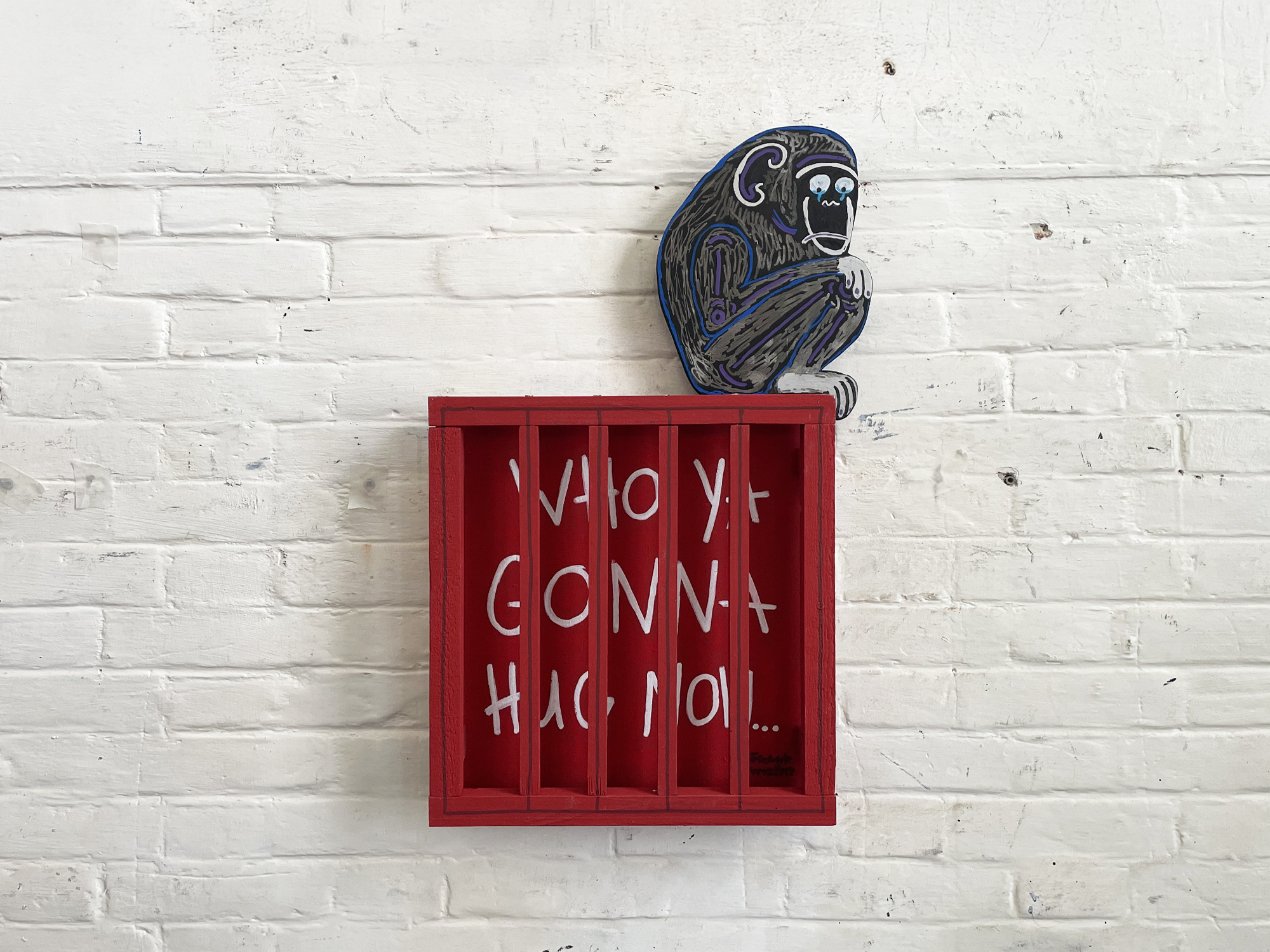
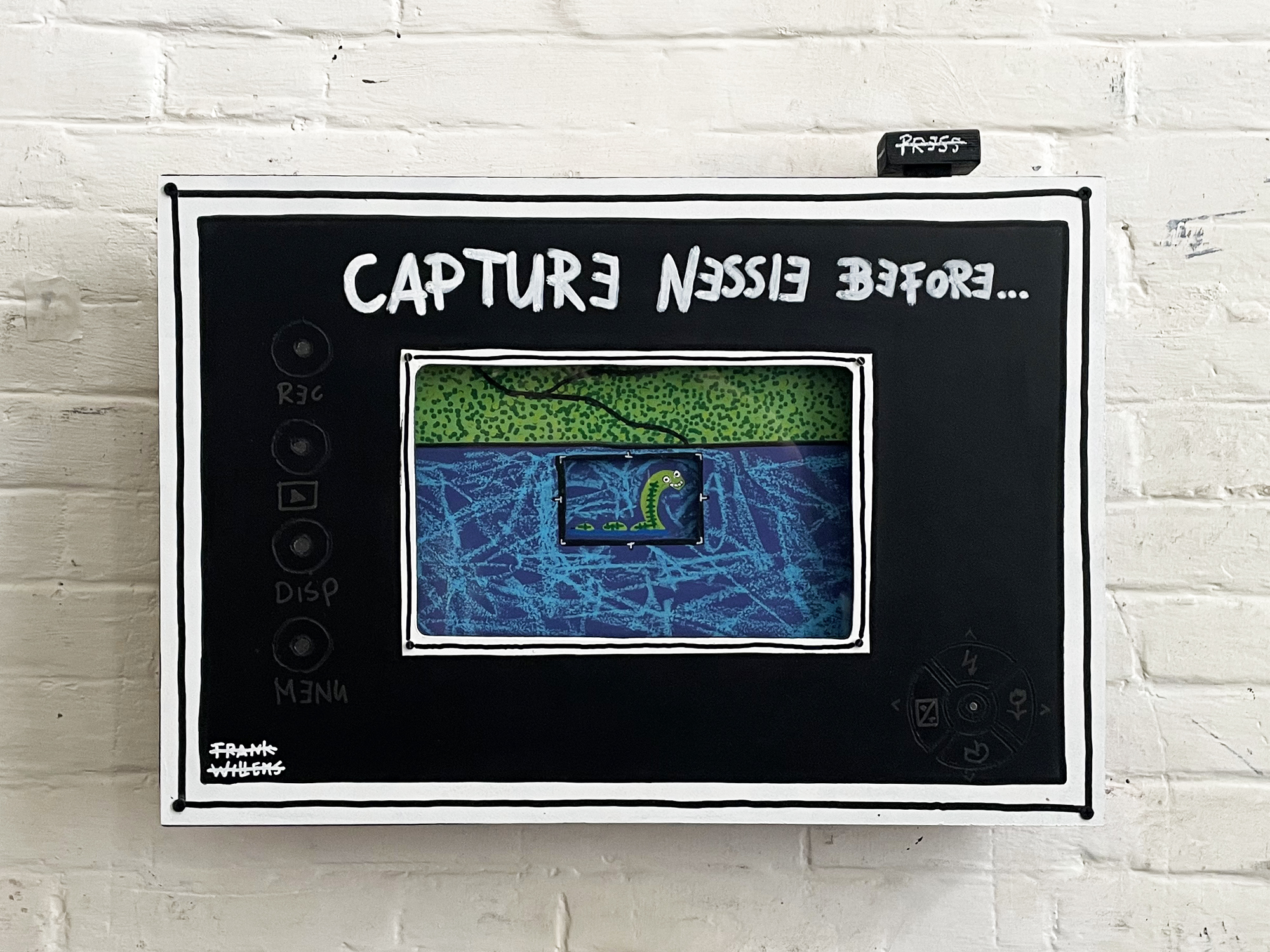
Frank Willems creates art that is constantly evolving, combining an eclectic mix of urban art, pop art, and neo-expressionism. His work balances humor and seriousness, chaos and structure, merging image and text into a playful yet layered visual language. He works intuitively and spontaneously, often using reclaimed materials such as wood, embracing imperfections as part of the process.
His colorful, expressive style features cartoon-like figures, skeletons, and animals, often carrying a deeper, sometimes confrontational layer. Nostalgia, personal memories, and social themes play an important role. Particularly striking are his visual texts with reversed letters and crossed-out words, inviting the viewer to look closer and search for meaning.